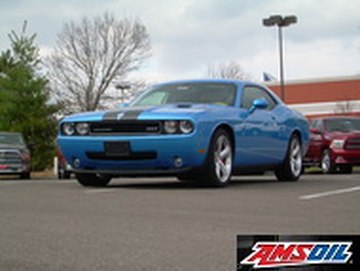
Engine Lubrication and Maintenance for the 1982 Dodge CHALLENGER 2.6L
Maintaining a vehicle from the early 1980s requires a proactive approach to fluid management and mechanical inspection. For the 1982 Dodge CHALLENGER equipped with the 2.6L engine, consistent attention to lubrication is a fundamental aspect of preserving the engine's operational integrity. Because older engines may exhibit different sealing characteristics than modern counterparts, understanding how to monitor and respond to various maintenance needs is essential for any owner.
Monitoring Fluid Integrity and Potential Leaks
One of the most effective ways to monitor the health of a 2.6L engine is through regular visual inspections of the engine bay and the ground beneath the vehicle. Over time, various gaskets and seals may undergo changes in their ability to contain fluids. When performing routine checks, look for signs of seepage or active leaks around the engine block and associated components.
If you notice dark staining on the engine surfaces or fresh fluid accumulating on your driveway, it warrants a closer investigation. It is important to note that a single symptom, such as an oil spot on the ground, can be associated with several different components. Rather than assuming a specific part has failed, use these observations to guide a more thorough inspection of all visible sealing surfaces and connections.
In addition to looking for external leaks, pay attention to the appearance of the engine oil itself when it is checked via the dipstick. While some discoloration is normal due to heat and use, significant changes in texture or an unusual odor can indicate that the lubricant has been compromised. Maintaining a clean environment around the engine makes it much easier to spot these early warning signs before they escalate into more significant issues.
Prioritizing Long-Term Engine Care
As vehicles age, maintenance strategies often shift from strictly following a schedule to a condition-based approach. For an owner of a 1982 Dodge CHALLENGER, this means prioritizing tasks based on the actual state of the vehicle rather than just its age. If you are stepping into ownership without a complete service history, establishing a maintenance baseline is a logical first step.
To establish this baseline, begin by reviewing any available repair records or receipts. If documentation is incomplete, perform a comprehensive inspection of all vital systems. This includes checking the condition of accessible hoses and belts, if equipped, to ensure they are not showing signs of cracking, glazing, or fraying. Addressing active concerns—such as a minor leak or an aging belt—is more critical than replacing parts that still appear to be in good functional condition.
Keeping a detailed log of all completed maintenance, including the dates and the specific products used, provides invaluable context for future service. This record-keeping helps you distinguish between routine preventive maintenance and necessary repairs, allowing for more informed decision-making as the vehicle continues to age.
Observing Potential Warning Signs
While many engine issues can be caught during a visual inspection, some may manifest through changes in how the vehicle operates. It is important to remain observant of any new or unusual sensations while driving. For example, if you notice an unexpected change in engine noise or a change in how the engine responds to throttle inputs, these should be investigated.
If your vehicle is equipped with an oil pressure indicator, pay close attention to its behavior. Any unexpected activation of warning lights on the dashboard requires immediate investigation to prevent potential damage. Similarly, if you notice unusual exhaust smoke or evidence of overheating, such as rising temperature gauges or steam, these are significant indicators that the engine's cooling or lubrication systems may need professional attention.
Always remember that symptoms can have multiple underlying causes. A change in engine sound might be related to a belt, a mounting, or an internal component; therefore, observing these signs is about gathering information for a proper diagnosis rather than identifying a single failed part immediately.
Managing Aging Components and Systems
When maintaining a vehicle of this era, it is helpful to consider how aging materials behave. Rubber components, such as hoses or belts (if equipped), can become brittle or lose their flexibility over several decades. During routine service, check these items for any signs of deterioration that might suggest they are nearing the end of their service life.
Electrical connections and wiring also benefit from periodic inspection. Ensure that connectors are secure and that there is no evidence of corrosion or fraying in the visible wiring harnesses. Furthermore, if the vehicle utilizes an air filtration system, ensuring the filter is clean is a simple but effective way to prevent contaminants from entering the engine environment.
By focusing on these various subsystems, you can move beyond basic oil changes and adopt a more holistic approach to vehicle preservation. This method of monitoring the current condition of the vehicle allows for more efficient maintenance and helps avoid the surprises that often come with aging mechanical systems.
Effective Lubrication Strategies
The engine oil in your 2.6L Dodge CHALLENGER performs several vital roles, including reducing friction between moving parts and assisting in heat management within the engine. Because the chemical properties of lubricants have evolved significantly since 1982, it is important to select a product that meets the specific needs of your engine's current condition.
For engines with higher mileage, some owners consider using high-mileage oil formulations. These products often contain seal-conditioning additives intended to help maintain the integrity of aging gaskets and seals. While these are not a substitute for repairing active leaks, they can be a useful component of a long-term maintenance strategy.
When selecting any lubricant, always prioritize quality and ensure the product meets the appropriate API (American Petroleum Institute) certifications. This ensures that the oil has been tested to provide necessary levels of oxidation resistance and deposit control, which are critical for preventing the buildup of sludge and other contaminants within the engine.
Buying Engine Oil for your 1982 Dodge CHALLENGER 2.6L
When you are ready to purchase new lubricant, do not rely on general automotive knowledge or assumptions based on the vehicle's age. The most accurate way to ensure you are using the correct product is to match the engine oil to the application-specific viscosity information already displayed on this webpage.
Before completing your purchase, carefully check the product labels to confirm that the SAE viscosity grade and the API service rating align with the requirements listed in the application data above. Whether you choose a conventional oil, a synthetic blend, or a full synthetic formulation, the most important factor is that the lubricant meets the specific technical parameters required for this 2.6L engine. By following the guidance provided in the vehicle-specific information on this page, you can ensure your Dodge CHALLENGER receives the proper lubrication for continued operation.